|
1
|
|
|
2
|
- https://storytrail.com/Impact/presentations.htm
|
|
3
|
|
|
4
|
|
|
5
|
|
|
6
|
|
|
7
|
- Objectives:
- At the end of this workshop, you will be able to:
- Define seven reading comprehension strategies and make connections
between them and information literacy skills (AASL Standards for the 21st
Century Learner).
- Identify research-based instructional strategies that can be
incorporated into classroom-library collaborative lessons.
- Specify and practice coteaching strategies.
|
|
8
|
- Reading advocacy is important work for teacher-librarians
- BUT it
- does not equal reading instruction!
|
|
9
|
|
|
10
|
|
|
11
|
|
|
12
|
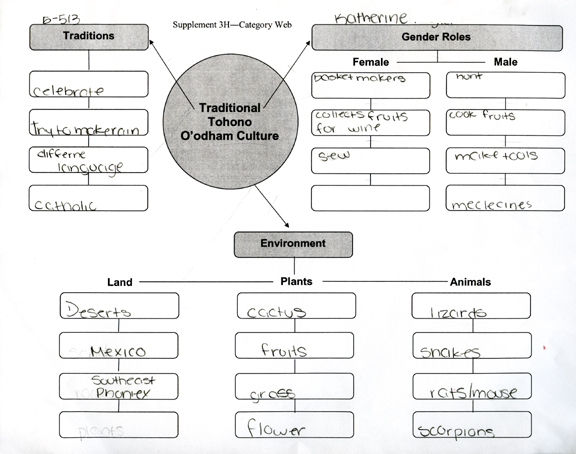
|
|
13
|
|
|
14
|
|
|
15
|
|
|
16
|
|
|
17
|
|
|
18
|
- Activating and Building Background Knowledge
|
|
19
|
|
|
20
|
|
|
21
|
|
|
22
|
|
|
23
|
- Sit in groups of four (or five).
- Shuffle and deal the puzzle parts.
- Take turns reading the library learning standards puzzle pieces.
- Determine keyword or keywords in the LLS.
- Discuss as a group which reading comprehension strategy is compatible
with that LLS.
- Place the piece on the board under that strategy.
|
|
24
|
|
|
25
|
|
|
26
|
|
|
27
|
|
|
28
|
|
|
29
|
|
|
30
|
|
|
31
|
|
|
32
|
|
|
33
|
|
|
34
|
|
|
35
|
|
|
36
|
|
|
37
|
|
|
38
|
|
|
39
|
|
|
40
|
|
|
41
|
|
|
42
|
|
|
43
|
|
|
44
|
|
|
45
|
|
|
46
|
|
|
47
|
|
|
48
|
|
|
49
|
|
|
50
|
|
|
51
|
|
|
52
|
- “Teaching is too difficult
to do alone;
collaborate
with your teacher-librarian.”
- Poster from the Dewitt Wallace-Reader’s Digest
Library Power Project, circa 1994
|
|
53
|
|
|
54
|
- One Teaching, One Supporting
- Center Teaching
|
|
55
|
|
|
56
|
- Alternative Teaching
- Team Teaching
|
|
57
|
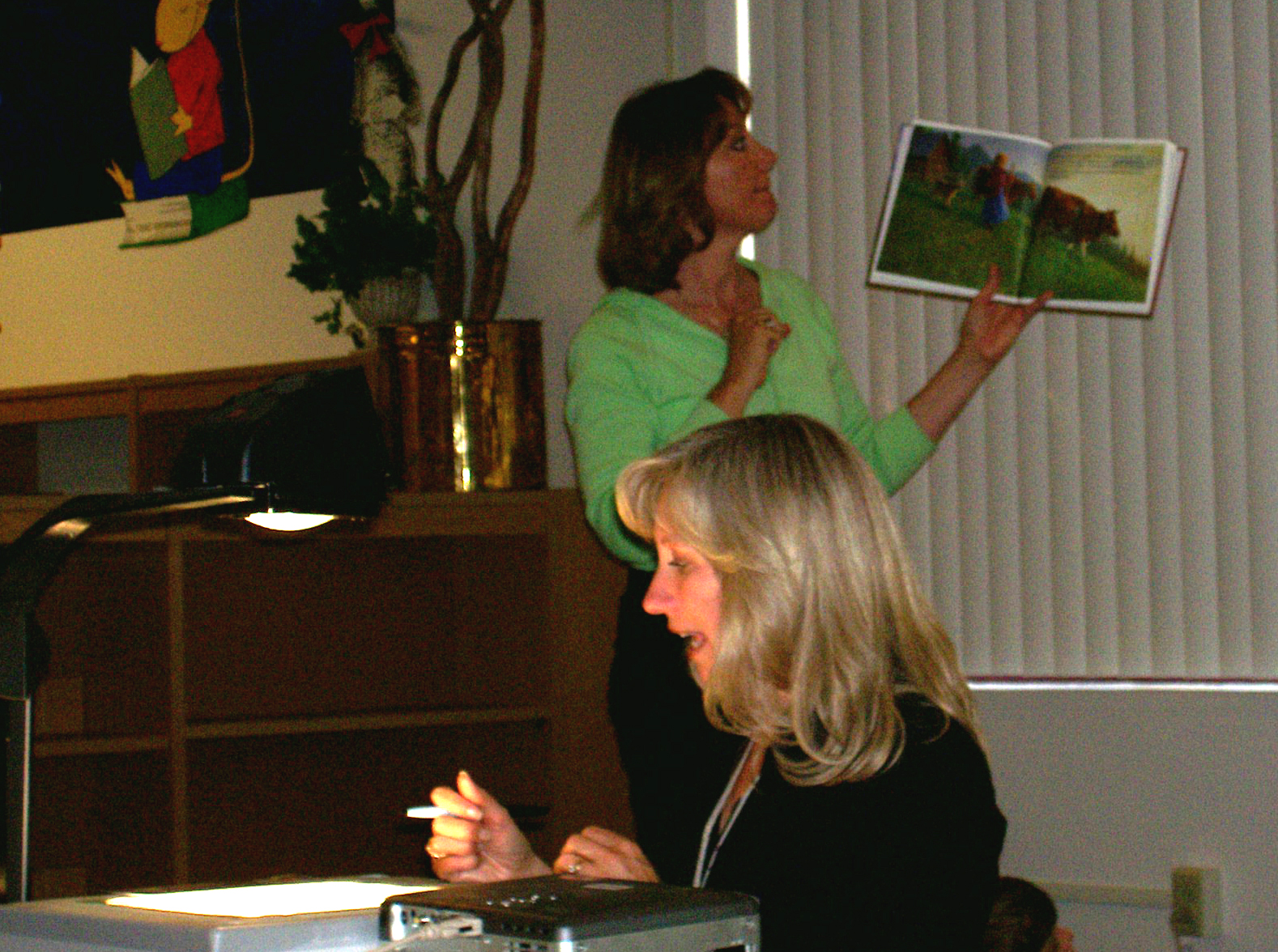
- One educator reads a text, the other records students’ ideas
- Jointly model the learning tasks
- Provide think-alouds to show a diversity
of responses
- Demonstrate cooperative learning,
discussion procedures, and debating techniques
|
|
58
|
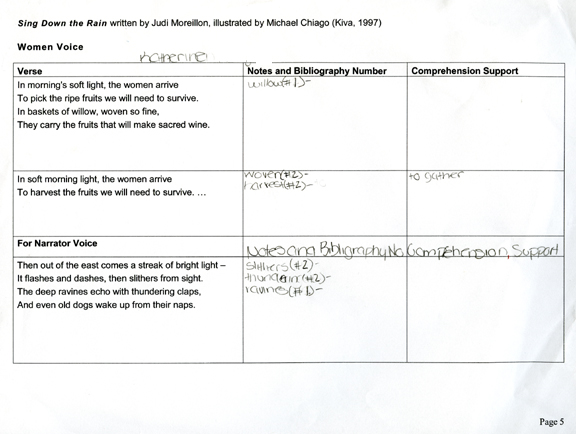
- Chapter 3: Advanced Lesson
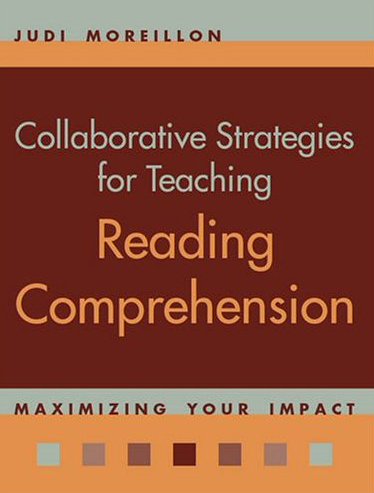
Collaborative Strategies for Teaching Reading Comprehension:
Maximizing Your Impact
- by Judi Moreillon
|
|
59
|
- Instructional Strategies: Cues and Questions, Classifying, Notemaking
and Summarizing, and Comparing
- Lesson Length: 3 or 4 Sessions
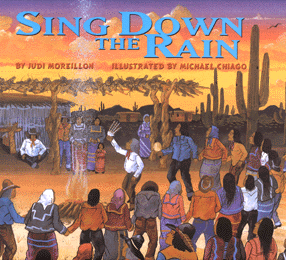
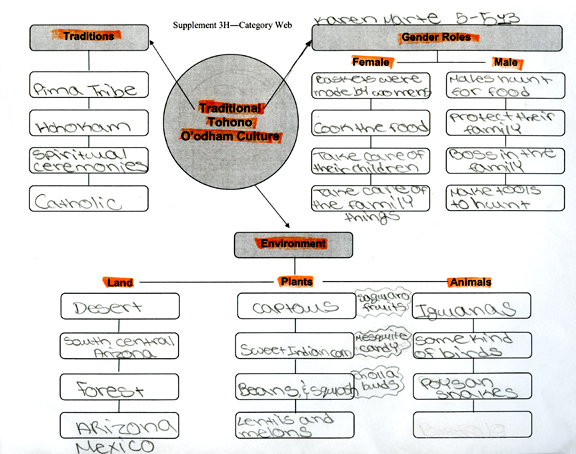
- Purpose: The purpose of this lesson is to provide background knowledge
to prepare students to read about an unfamiliar cultural tradition and
to make text-to-world connections between the worldviews suggested by
these traditional practices and those of present-day U.S. mainstream
culture.
|
|
60
|
|
|
61
|
- Reading keywords: use graphic organizers to clarify the meaning of text;
use context to determine the meaning of words; use reference sources to
determine the meaning of words; develop vocabulary in context; describe
the historical and cultural aspects found in cross-cultural works of
literature; fluency
|
|
62
|
- Science keywords: ecology; describe the interaction between human
populations and the environment
- Social studies keywords: describe the different perspectives of Native
American tribes; human cultures; locate information using a variety of
resources; research skills
- Educational technology keywords: technology research skills
|
|
63
|
- Use prior and background knowledge as context for new learning. (1.1.2)
- Read, view, and listen for information presented in any format (e.g.,
textual, visual, media, digital) in order to make inferences and gather
meaning. (1.1.6)
|
|
64
|
- Collaborate with others to broaden and deepen understanding. (1.1.9)
- Organize knowledge so it is useful. (2.1.2)
- Connect ideas to own interests and previous knowledge and experience.
(4.1.5)
|
|
65
|
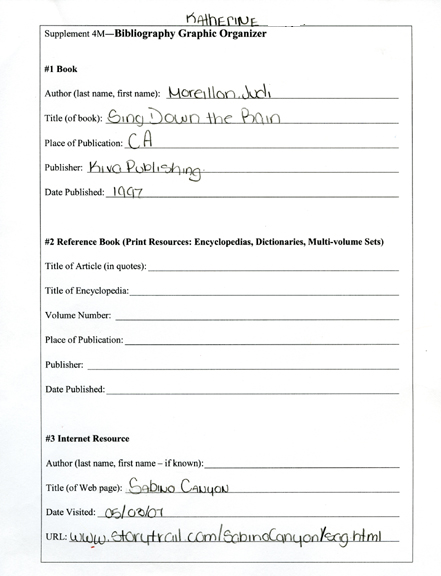
- 1. Identify the need for background knowledge.
- 2. Make notes from websites and print resources.
- 3. Use the background knowledge they gathered to understand new text.
- 4. Develop fluency through the practice and performance of a choral
reading.
|
|
66
|
- 5. Identify which information helped them better comprehend the
narrative poem.
- 6. Analyze and compare the cultural practices and ecological view of
traditional Tohono O’odham culture with present-day U.S. mainstream
culture.
|
|
67
|
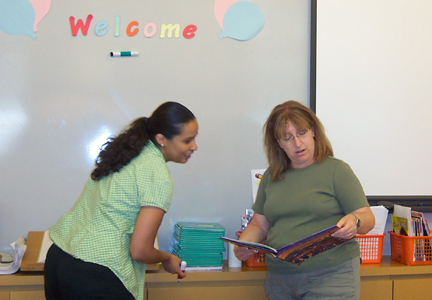
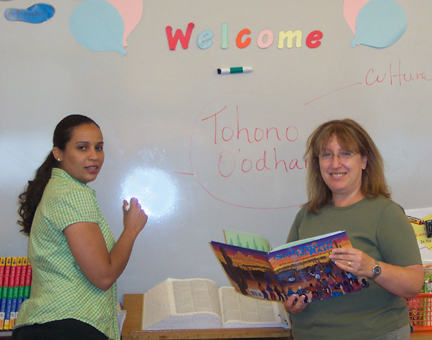
- Teacher-Librarian Marilyn Teicher
- and Fifth-grade Classroom Teacher
Massiel Garcia
- P.S. 86
- Bronx, New York
|
|
68
|
|
|
69
|
|
|
70
|
|
|
71
|
|
|
72
|
|
|
73
|
|
|
74
|
|
|
75
|
|
|
76
|
|
|
77
|
- How do we recognize the need for background information?
- When we need it, where can we get background information?
- How does background information help us comprehend text?
- Why is it important to compare new information with prior knowledge?
|
|
78
|
|
|
79
|
|
|
80
|
|
|
81
|
|
|
82
|
|
|
83
|
|
|
84
|
|
|
85
|
|
|
86
|
|
|
87
|
|
|
88
|
- https://storytrail.com/Impact
|
|
89
|
|

 Notes
Notes